By Carl Zebrowski
Editor
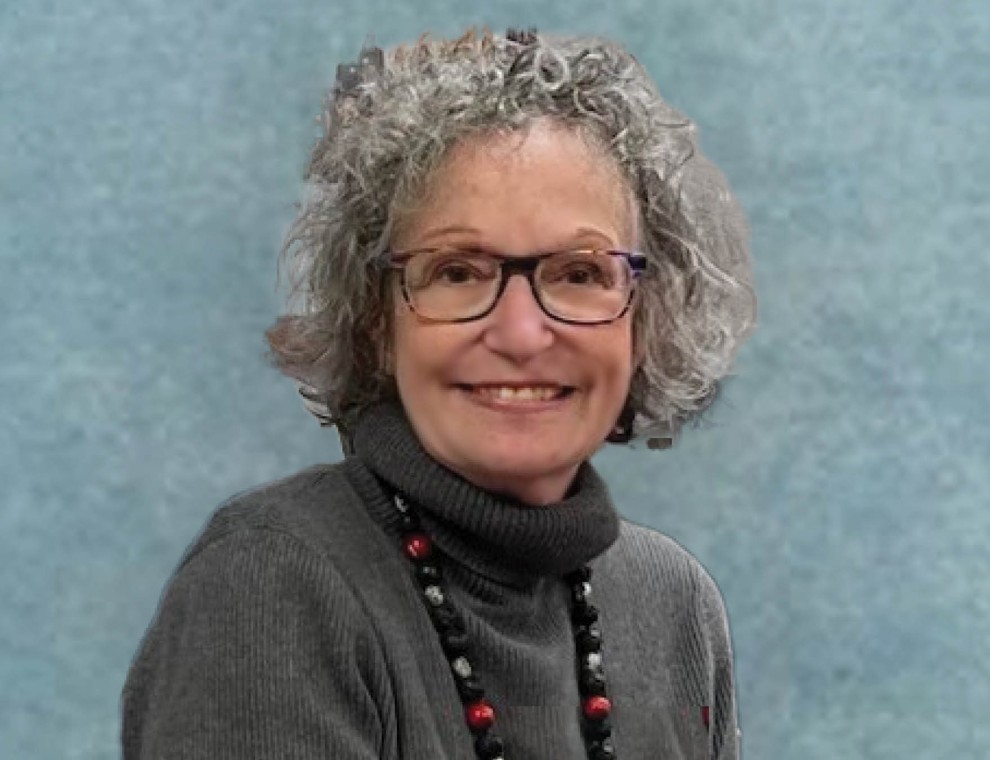
Debbie Zoller joined the Jewish Family Service of the Lehigh Valley as executive director in December 2012. The JFS Community Food Pantry at the time has been famously described as two shelves and a cabinet. Today it serves 253 people.
That’s quite a growth spurt in one decade for a nonprofit organization. Now that her role at the agency and in the community has moved into a new phase, the food pantry transformation during her tenure stands as a symbol of all that she’s done over her time in the Valley—so far.
This May 31, JFS is celebrating Debbie and her husband Leon at its annual fundraising event. The brunch and celebration will start at 10 a.m. at Temple Beth El. With that Sunday morning getting closer on the calendar, Debbie agreed to do a Q&A with us to look back at her time with JFS and at what she sees for the agency in the future.
When you started out here as JFS executive director, what was the agency able to do for the community and its clients at that time, and what can it do now that it couldn’t do then?
When I arrived at JFS 13 years ago, it was a solid agency. Unfortunately, the previous executive director, Dr. Phyllis Ringel z” l, had passed away, and the staff, which was a third smaller then, felt her loss. The building was also very grey and gloomy. JFS needed greater visibility across the Lehigh Valley and to build its capacity.
The JFS food pantry was basically some shelves, and people came by randomly on an as-needed basis. Today, the Community Food Pantry serves over 253 individuals per month versus about 20 to 25 individuals when I started at JFS. We now have a choice pantry offering scheduled once-a-month appointments two days a week, and 1,054 individuals were served last year, with 82,000 pounds distributed. JFS has an amazing food pantry coordinator and partners with Second Harvest (Food Bank).
JFS offered transportation to a very small population—under 10—through volunteer drivers. Partnering with Share Care Faith in Action, a volunteer driver service, and providing rides from GoGoGrandparents expanded our capacity to provide this service, now providing rides to programs and medical appointments. The ride program has quadrupled during the past 13 years.
JFS partnered on a Super Sunday to deliver about 15 Mazel Meals. Today, the monthly Mazel Meal program provides two special meals a month to over 40 older adults who like delicious food, which frequently has a Jewish theme.
Older adults suffering from isolation and lack of socialization now have programs such as Creative Connections, a partnership program with Cedar Crest College Art Therapy Department; Musical Memories; Schmooze and Schmear; and Let’s Play, a games program, which all take place at Temple Beth El and are facilitated by a master’s-level older adult social worker. Usually 30 men attend Schmooze and Schmear, a peer-to-peer learning experience once a month.
During our second strategic planning process, JFS decided to focus on providing services to adults with disabilities, including a partnership with Tikvah House. This is a population that has been underserved, and JFS is now offering a variety of support groups.
I am super proud of the growth of the JFS volunteer department. Today JFS has over 80 volunteers, and when I started there were less than 20 volunteers.
Were there specific unmet needs you saw in the community that most shaped the direction JFS took under your leadership?
As the Allentown Jewish community has aged along with me, I am more sensitive to the needs of older adults. Before I came to the Lehigh Valley, a lot of my social work career was dedicated to those adults and their families with special needs. Both of these populations are underserved and have high needs. The need to be more visible in our community has been boosted by our corporate sponsorship program as well as partnerships with other agencies and all the Jewish organizations across the Valley.
What was the hardest challenge you faced during your tenure, and how did it change the way JFS operates today?
Probably the most challenging part of my tenure was during Covid. JFS had to adapt to the changes needed. We were serving our clients six weeks after making some changes. Probably the best innovation from Covid was Zoom and telehealth, which JFS uses today as we provide mental health services to persons who live at a distance and don’t have transportation.
Can you think of and share one story that captures what your work here has meant to you and to the people JFS serves?
This is such a hard question. There are so many stories I could tell, but I think the JFS staff is truly the biggest story. During my tenure I have been so fortunate to attract such high-quality professional staff who are so dedicated to service the needs of our clients. I am so happy that Chelsea Karp is the new executive director because I have observed first-hand her dedication and commitment to every aspect of the agency, and she values our JFS staff like I do. The most important part of being a leader is knowing that I left something special that will continue under Chelsea and her JFS team.
Looking at JFS today, is there a part of it that feels most like your legacy?
Serving clients with dignity and respect is the legacy. JFS is a welcoming, nonjudgemental environment that demonstrates caring and compassion. My husband Leon and I have benefitted from meeting so many wonderful individuals and families in our community who respect our desire to make the world a better place by providing experiences to those persons who need our support and connecting with us through JFS to demonstrate integrity and respect.
What did your work at JFS teach you about leadership and community that you didn’t know when you began?
Our community has wonderful leaders who were very generous with their time, expertise, and financial support. While I have worked in other communities, there is something special about the Lehigh Valley. I felt a sense of home at JFS with my colleagues, and this gave me newfound confidence. I also learned that I could inspire respect by being persistent, creative, and trustworthy. The best part of the leadership was to be able to contribute to making an impact on the lives of individuals and families.
What do you hope people take from the celebration event in May?
I am hoping that JFS can celebrate all the accomplishments that have taken place over the past 13 years, our JFS staff, and our community leaders. I grew the agency because I had the support of staff, our board, and the community. I am looking forward to sharing what has been so special to Leon and me with our family. This is a thank-you to Leon and me while also it is a thank-you to our JFS and extended community.
What are your thoughts for the future of JFS, about how it might continue to grow and adapt, under Chelsea and beyond, to better serve the community and its clients?
Chelsea will know exactly what to do and how to do it because she is a great listener and she has so much heart. She knows how to adapt and she knows how to respect her colleagues. Times are challenging now in multiple ways. Chelsea will develop her own vision, just like I did, with a focus on maximizing the potential of every individual when possible. JFS cannot solve everyone’s problems, but under Chelsea’s leadership, the JFS mantra of treating everyone with dignity and respect will continue.
Keep the morning of Sunday, May 31, open for the JFS annual fundraising event celebrating Debbie and Leon Zoller. Visit the event website at jfslv.org/cheers for more information and to register to attend or to become a sponsor.